Unlock the Power of Microgreens
Microgreens aren’t just a garnish—they’re tiny nutritional powerhouses. Packed with flavour, living nutrients, and concentrated goodness, they offer a host of potential health benefits. Research shows that incorporating microgreens into your diet may:
Boost your immune system
Lower inflammation
Support weight management
Reduce the risk of chronic diseases
Improve gut health
…and much more.
What Are Microgreens?
Microgreens are the earliest stage of a vegetable plant’s development, coming just after the sprouting stage. Unlike mature vegetables, they are harvested when their leaves and stems are still small, capturing a concentrated dose of vitamins, minerals, and antioxidants. Essentially, they are living foods enjoyed at their peak of nutrition and flavor.
Why Microgreens Are Healthier Than Regular Greens
While mature greens like lettuce, spinach, and kale are nutritious, microgreens pack a far more powerful nutritional punch. Studies show that their vitamin and antioxidant levels can be up to 40 times higher than those of mature vegetables. Here’s what makes them stand out:
Macro-minerals: Higher levels of calcium, magnesium, phosphorus, and potassium.
Micro-minerals: Rich in iron, zinc, and copper.
Vitamins and nutrients: Abundant in B vitamins, folate, and essential amino acids.
Antioxidants: Protect your cells and support overall health.
In short, microgreens are an easy, delicious way to supercharge your diet with concentrated nutrients that support long-term health.
Meet Your Microgreen
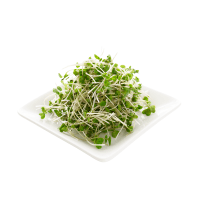
Broccoli
Rich in sulforaphane; supports cardiovascular health, detoxification, & may reduce cancer risk.
Taste: Mildly peppery, subtle earthy flavour.
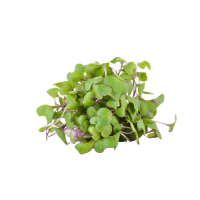
Kale
High in vitamin K & C, antioxidants; supports bone health and immunity.
Taste: Slightly sweet, mild cabbage-like.

Radish
High in vitamin C & phytonutrients; reduces inflammation, supports liver health.
Taste: Crisp, spicy, peppery.
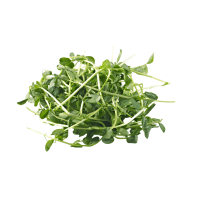
Pea Shoots
High in fibre, vitamins A & C, folate; supports digestion & heart health; energy boost.
Taste: Sweet, fresh, tender.
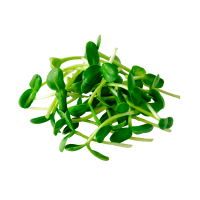
Sunflower
High in protein, vitamin E, zinc, selenium; supports muscle & immune health.
Taste: Nutty, crunchy, slightly sweet.
Pea Tendrils: A Kid-Friendly Supergreen
Pea tendrils aren’t just cute and crunchy—they’re a powerhouse of nutrition perfectly suited for growing children. Packed with essential vitamins, minerals, and plant-based goodness, they’re an easy way to boost your child’s diet while keeping mealtime fun.
Why Pea Tendrils Are Great for Kids
Nutrient-Rich: Loaded with vitamin A, C, K, folate, and iron to support growth, cognitive development, immune health, and energy levels.
Plant-Based Protein: A natural source of protein for muscle and tissue development, ideal for plant-based diets.
Digestive Health: High in dietary fiber, promoting a healthy gut and regular digestion.
Antioxidant Support: Contain beta-carotene and flavonoids to protect cells, support healthy eyes, skin, and overall wellbeing.
Mild, Sweet Flavor: Kids love their naturally sweet, pea-like taste, making them an easy addition to lunchboxes, sandwiches, wraps, and salads.
Visually Appealing: Bright green color and delicate texture can encourage kids to explore and enjoy fresh vegetables.
Fun Ways to Serve Pea Tendrils
Toss them into sandwiches, wraps, or smoothies for a nutrient boost.
Mix into scrambled eggs or pasta for added crunch and flavor.
Use as a colorful topping on pizzas, rice bowls, or grain salads.
Adding pea tendrils to your child’s meals is a simple way to ensure they get essential nutrients while cultivating a love for fresh, healthy foods. Remember, a balanced diet with a variety of fruits, vegetables, proteins, and whole grains is the key to supporting their growth and development.
Broccoli Microgreens & Cancer — Tiny Greens, Big Potential
Broccoli microgreens aren’t just tasty—they’re a nutritional powerhouse packed with sulforaphane, a naturally occurring compound studied for its potential role in supporting healthy cell function. While research is ongoing, including promising lab and observational studies, these tiny greens may be a valuable addition to a healthy diet.
Why Broccoli Microgreens Are Special
High in Sulforaphane: Broccoli microgreens can contain 10× or more sulforaphane than mature broccoli. Sulforaphane may help activate the body’s natural detox pathways and support cell defence mechanisms.
Rich in Antioxidants: Protects cells from oxidative stress and supports overall health.
Convenient & Delicious: Tender, flavorful, and easy to add to salads, wraps, smoothies, or pasta.
What the Research Shows
Observational studies link higher consumption of cruciferous vegetables with a lower risk of some cancers, including prostate and bladder.
Laboratory studies suggest sulforaphane may help inhibit cancer cell growth and support detoxification pathways.
Early human studies show sulforaphane from microgreens is bioavailable, meaning your body can absorb and use it.
How to Include Broccoli Microgreens in Your Diet
Eat raw to preserve the active sulforaphane.
Add to salads, sandwiches, or wraps for a nutrient boost.
Blend into smoothies or soups for an easy daily serving.
Important Notes
Broccoli microgreens are not a cure and should not replace medical treatment.
Their benefits are strongest as part of a balanced, varied diet rich in vegetables, fruits, proteins, and whole grains.
If undergoing cancer treatment, consult your healthcare provider before making significant dietary changes.
🥦 Pro Tip: Pair broccoli microgreens with other cruciferous veggies like kale, cabbage, or cauliflower for a nutrient-packed, cancer-supportive diet.
